
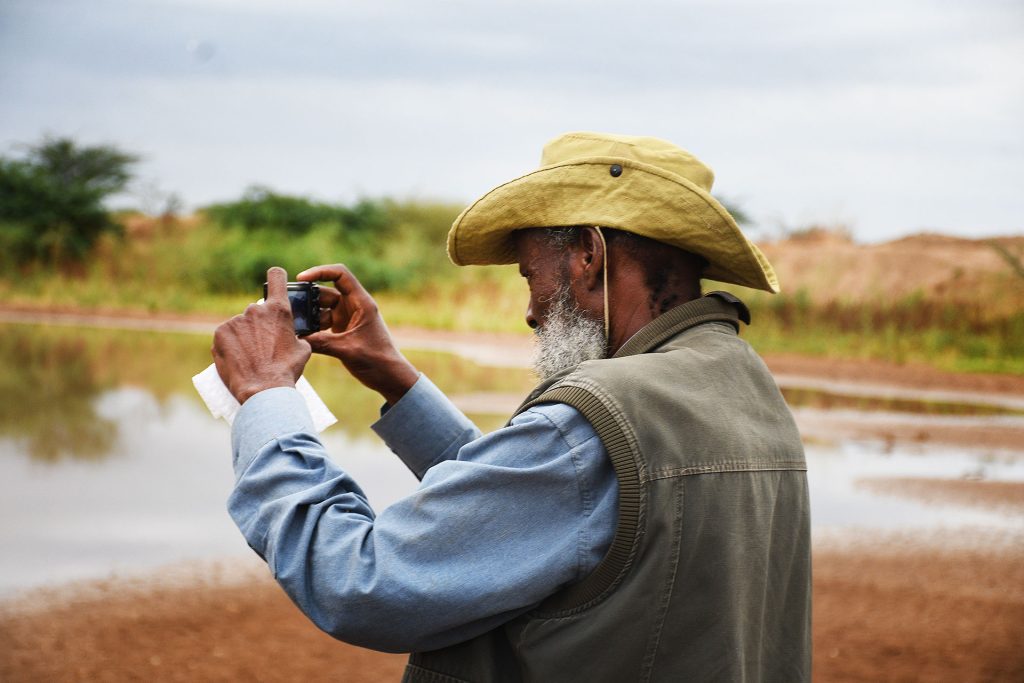
We work closely with law enforcement agencies, conservation organizations, and local authorities to enhance anti-poaching efforts. Our initiatives include:
- Training rangers and security forces to detect, intercept, and dismantle wildlife trafficking operations.
- Providing specialized equipment and technology, such as drones, surveillance cameras, and forensic tools, to strengthen anti-poaching patrols.
- Establishing intelligence-sharing networks to track poaching syndicates and enhance regional cooperation in law enforcement.
By equipping frontline conservation personnel with the necessary skills and resources, we strengthen the protection of endangered species across the region.
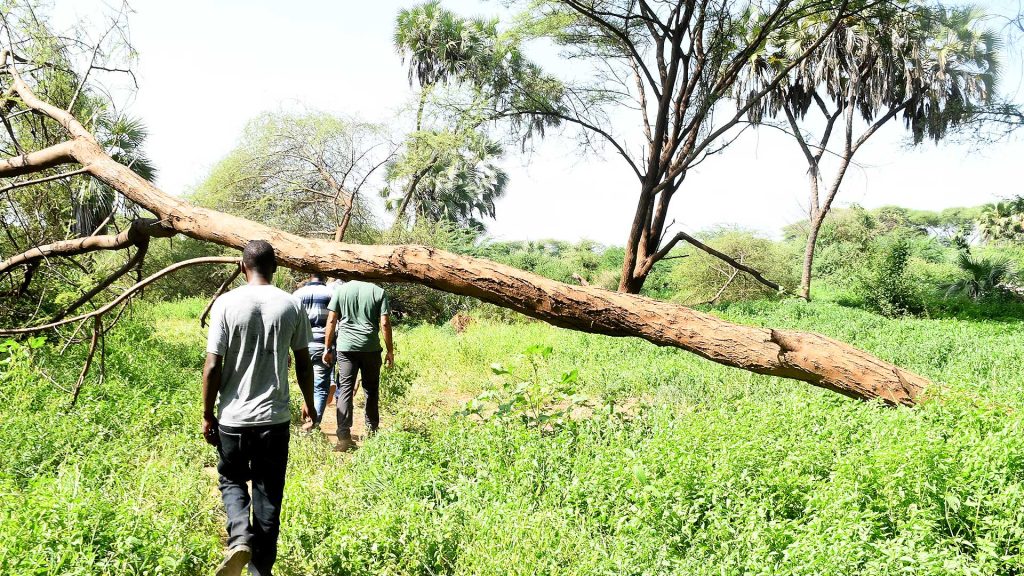
Local communities play a crucial role in combating wildlife trafficking. HAWP engages with residents, traditional leaders, and grassroots organizations to promote conservation awareness and reduce the economic incentives for poaching. Our approach includes:
- Conducting educational programs to highlight the ecological and economic importance of wildlife conservation.
- Encouraging local communities to act as wildlife guardians, reporting illegal activities and resisting the lure of wildlife trafficking.
- Supporting alternative livelihoods, such as eco-tourism and sustainable agriculture, to reduce reliance on poaching as an income source.
By fostering a sense of ownership and responsibility among local populations, we create a sustainable, community-driven defense against poaching.
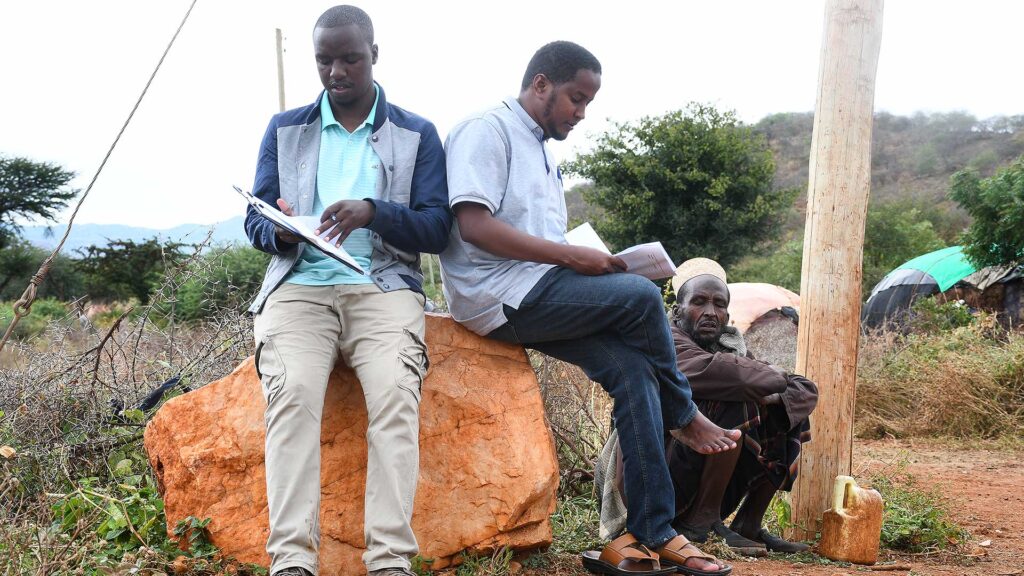
Wildlife crime is a transnational issue requiring coordinated responses across borders. HAWP actively collaborates with:
- Regional Governments and Law Enforcement Agencies to improve policies, strengthen anti-trafficking laws, and enhance intelligence-sharing.
- International Conservation Organizations to align efforts with global anti-trafficking initiatives and secure funding for conservation programs.
- Customs and Border Control Authorities to detect and prevent the smuggling of endangered species across international borders.
Through these collaborations, we work towards a zero-tolerance approach to wildlife crime, ensuring that traffickers face the full force of the law.