HAWP
Saving Species
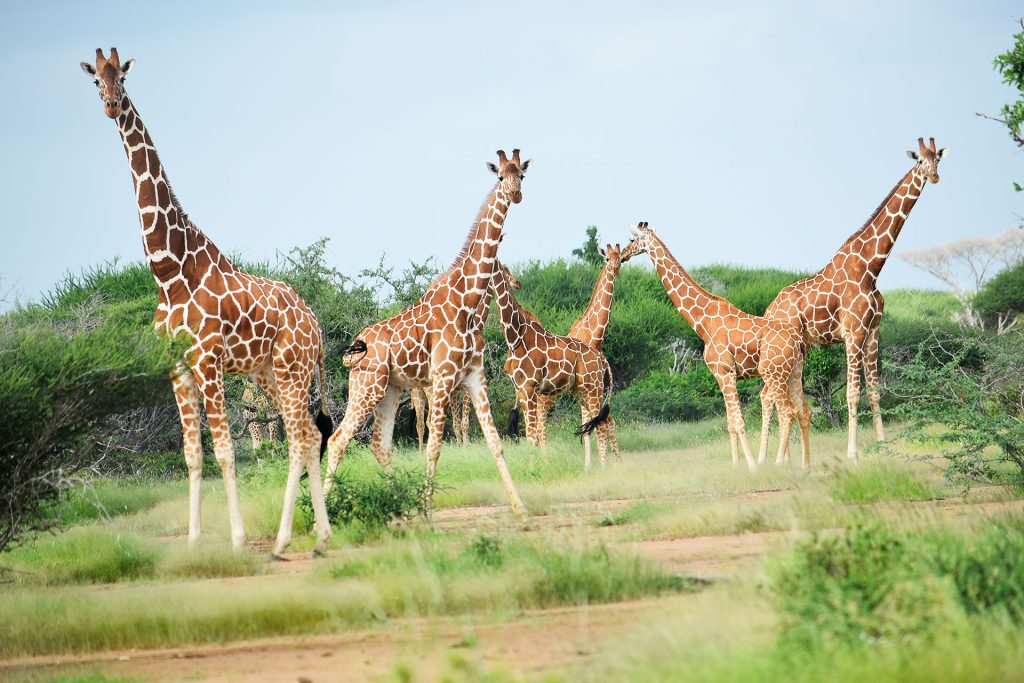
At the Horn of Africa Wildlife Program (HAWP), we prioritize the conservation of species facing critical threats from habitat loss, climate change, and human-wildlife conflict. Our efforts focus on stabilizing populations, protecting ecosystems, and working with local communities to create sustainable solutions for coexistence.
Species-Specific Conservation Programs
We implement targeted conservation strategies for species at risk, particularly those affected by environmental degradation and human encroachment. Our approach integrates scientific research, community engagement, and policy advocacy to ensure lasting impact.
Research and Population Monitoring:
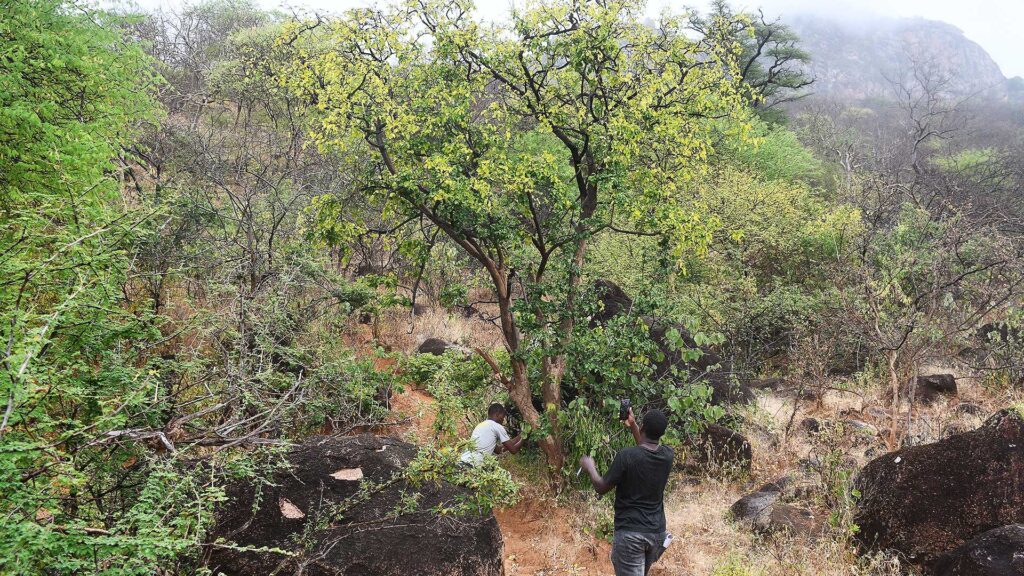
We conduct in-depth studies on endangered species, assessing their population dynamics, habitat conditions, and vulnerability to climate change and conflict. By leveraging data-driven insights, we refine conservation strategies to enhance species resilience and ensure effective interventions.
Human-Wildlife Conflict Mitigation:
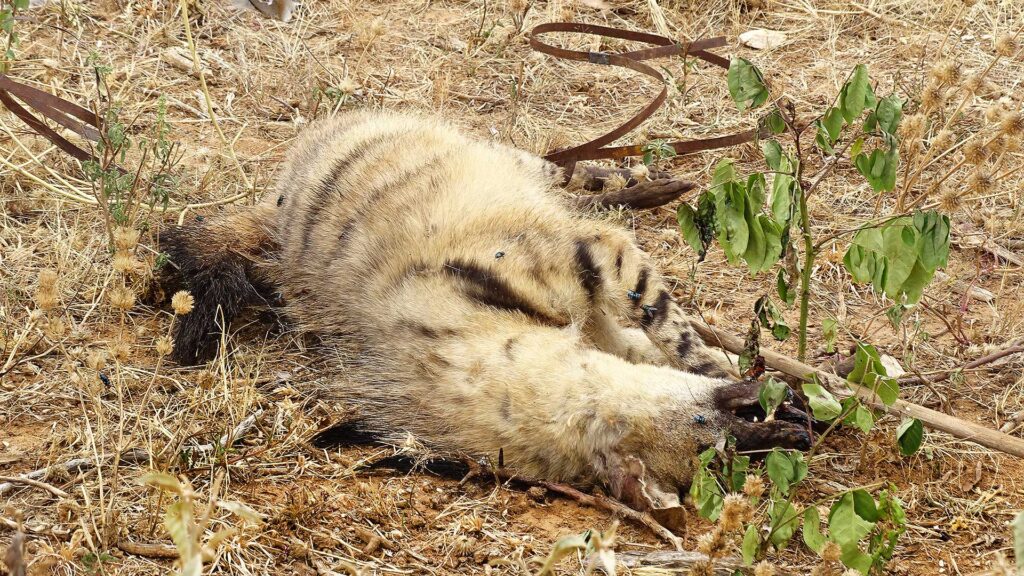
Climate change and shrinking natural habitats often push wildlife closer to human settlements, increasing the likelihood of conflict. To address this, we develop and implement conflict mitigation measures such as wildlife corridors, deterrent systems, and community-based monitoring programs to safeguard both people and wildlife.

Habitat Protection and Restoration:
Protecting critical habitats is essential for species survival. Through reforestation, land restoration, and sustainable land-use planning, we ensure that key ecosystems remain viable for future generations.
Community Involvement in Conservation:
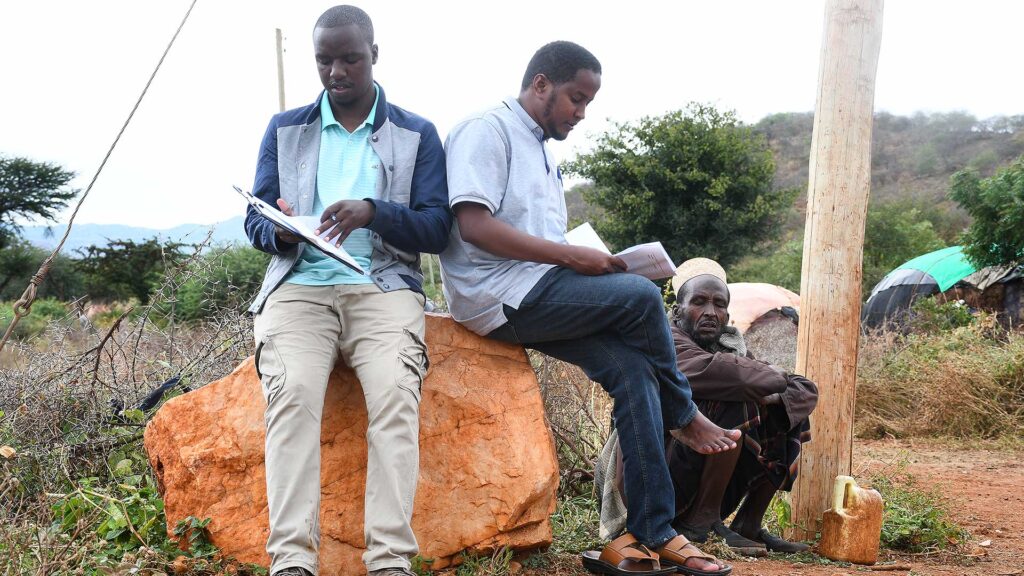
Recognizing the vital role of local communities, we engage in conservation education, alternative livelihood programs, and participatory conservation initiatives. By fostering coexistence and promoting conservation-friendly economic activities, we create incentives for communities to protect biodiversity.
Through these initiatives, HAWP is committed to reversing biodiversity loss, ensuring the survival of endangered species, and fostering a harmonious balance between wildlife and human populations.